Dr. Nicola Millard – BT (British Telecom)
Principal Innovation Partner
Listen Now
On this episode of Digital Transformers, we speak with Dr. Nicola Millard, Principal Innovation Partner, about the psychology of technology adoption, how it affects employees and customers and how, ultimately, adoption and usability are key to success.
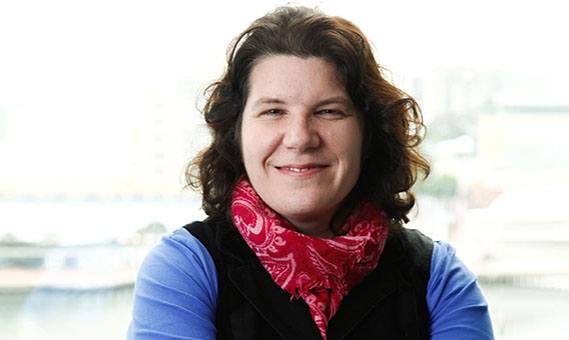
About The Guest
Dr. Nicola Millard is the Principal Innovation Partner at BT. Half social scientist, half technologist, all academic, she uses techniques from disciplines such as design thinking, psychology, anthropology, computing, & business consulting to generate data, provocations and stories which can engage & create conversations from the board room, to the front line.

About The Hosts
Graeme Gilovitz is the Global Business & Sales Development Leader at Lightico who loves nothing more than a digitally complete journey. Eytan Morgenstern is the Director of Media Communications at Lightico who tells the stories of those digital journeys.
Digitally In-Complete
Getting customer transactions to completion is the toughest battle companies face today. Here's how to win.
GET THE BOOKSubscribe Here
Transcript
|
Graeme 0:00:13 – 0:00:39 |
Hey everyone and welcome to this episode of the digital trends formers podcast here at the podcast. We’re obsessed with how companies navigate the rapidly changing environment that we find ourselves in every day and we especially love talking to leaders from a wide range of industries about how they are meeting the challenge of digitizing their business and customer interactions. Hi, I’m Graeme Gilovitz |
|
Eytan 0:00:39 – 0:00:43 |
and I’m Eytan Morgenstern and we’re your hosts on the digital transformers age of completion podcast. |
|
Graeme 0:00:44 – 0:00:56 |
Today’s guest is none other than Dr. Nicola Mallard BT’s principal innovation partner. She’s been described as human caffeine for innovation, a futurist, half social scientist, half technologist, amongst many other things. |
|
Eytan 0:00:57 – 0:01:03 |
And today we’re gonna talk about the psychology of digital adoption and its impact on customers and employees. Nicola welcome to the show, |
|
Nicola 0:01:04 – 0:01:06 |
thank you for inviting me. It’s a pleasure, |
|
Eytan 0:01:06 – 0:01:14 |
it’s our pleasure to have you on. Um so with all these titles, maybe you can start our first describing to the audience who you are and what you actually do at Bt. |
|
Nicola 0:01:14 – 0:03:03 |
Sure, I always feel, and I’m standing up in front of an audience and saying, hello, my name is Nicola and I’m a principal innovation partner. It’s, it sounds kind of, you know, confessional, but no, I did used to be BTS future Ologists. Um so I always say that that is a very silly job title um and comes with it a number of questions? Well one main one which is the one that if anyone bumps into you and at a dinner party and you say you’re a future Ologists? The first question back is, well, do you have a crystal ball? Um and actually very kindly, somebody gave me a crystal ball very early on in that job and I can tell you that I saw no future in it, so um so yeah, crystal balls don’t work and although my job title is a lot more boring um and doesn’t quite involved quite as many crystal ball questions, um uh my job isn’t lost boring, it’s a really cool job, but it just does not involve either t leave Reading or crystal ball reading because that would be, yeah, very boring day. Um so now I’m part of BT’s innovation team um BT unknown to most people is a massive innovator. We we are actually normally based at Astral Park, which is our main research and innovation headquarters were just outside Ipswich in the east of England. I am of course not there today, I’m actually recording live from my kitchen, which is in its switch, so I’m about several miles away from from from and Astral Park, but that Ad Astral is kind of the, I guess the hub of our research and innovation network. It’s it’s a little bit like a university campus really and it’s a very historic cited, uh it used to be the test site for the Royal Air Force many, many years ago and we then took it on and created a sort of nice count, I guess it’s, it’s like most large companies has an ecosystem of innovation partners. |
|
Nicola 0:03:03 – 0:04:42 |
So there are everyone from small startups through to universities and obviously BT and BTS partners Are all on site, so there’s about 5000 people. Normally in normal circumstances, there would be about 5000 people in sight. But that’s just the hub of of a bigger innovation system that spans the globe. So a lot of the work I do is is with academia. So we have some fantastic university partners, so we’ve got our own lab over at M I. T in boston. Um We we partner with universities actually one not too far from from us in ipswich Cambridge, you might have heard of it. Um and also bristol University in the UK and Qinghua also in Beijing as well, there are sort of I guess they’re they’re they’re they’re the sort of main university partners. But to be honest, if you name the university anywhere in the world, we probably have some relationship with them. So there’s a ton of stuff going on there, we obviously have our own innovators and then we innovate with and for our customers. So I’m actually aligned to our enterprise customers so that it’s the b two B customers, it’s primarily U. K. Corporates and public sector. So the rationale behind our team is to really innovate with and for them because again customers are as biggest source of innovation as anyone else. So, so actually working with them can be very inspirational as well. So that’s that’s kind of the role of the team. My role is a I guess a slightly weird one in the team because as you would expect from a technology company like Bt most people in the timor brilliant technologists dealing with you know new technologies like five G. And edge computing and internet of things and all of that fantastic stuff. |
|
Nicola 0:04:42 – 0:05:42 |
And I’m kind of the odd person in there in my background psychology now I’m not really a pure psychologist and neither of my pure technologist, I’m always kind of an alien in both camps if you like. But my real interest is why people adopt or reject technologies and people’s relationship with technology and I maintain that actually that’s the most disruptive part of innovation because frankly there’s lots of clever technologies out there but unless we embrace them and use them they’re actually pretty useless. So a lot of my work really is around trying to sort of figure out what’s in the heads of the people bit. So you know both customers and employees what trends can be spots and also you know whether technologies are likely to influence those trends or whether you know the technologies could promote or accelerate those trends as well. So I kind of always described my role as to its very much around strategy. Um it’s it is about the technology but it’s really around what can the technology do for you strategically? |
|
Graeme 0:05:44 – 0:05:48 |
Well that sounds like a lot. I don’t know how you do it in one day. |
|
Nicola 0:05:48 – 0:05:50 |
So |
|
Graeme 0:05:50 – 0:06:29 |
Before we go on, like just to give people our listeners some idea. Um, and our references in one of your TED talks, you said that BT has 3000 scientists, I think you said, quote, you tell me if I’m wrong. Nicola, um, 2.6 or $2.8 billion in investments in five years and that you are the third largest investor in europe, is that correct? And then you’re the third largest investor globally in the telco sector, which which is significant because most people probably, again, I would never have known these stats unless I was watching your ted talk. I’m like holy moly, this is a lot of people in an area no one talks about. |
|
Nicola 0:06:30 – 0:06:58 |
Yeah, I mean actually those stats are slightly out of date now because that the Ted talk was a few years ago, but, and I think we’ve actually given up trying to place ourselves in the top 10 precisely because obviously, you know, innovation is quite a turbulent area by its very nature and investment tends to go up and down. So I think we got to number three in the UK in terms of investment money behind a couple of the pharmaceutical companies. Um, But yeah, I think we’re still top 10, but we we’ve given up trying to place ourselves |
|
Graeme 0:06:58 – 0:07:17 |
precisely. You said recently that it’s not just technology that is the biggest disrupter, it’s actually asked as the people, can you explain a little bit about that you went on to say unless we adopted, it’s pretty useless you said that just now. How does that manifest itself? And what have you seen recently? They could sort of uh speak a little bit more to that? |
|
Nicola 0:07:17 – 0:08:19 |
Well, I mean if if you watch one of my ted talks, I obsessed quite a lot about ticket machines, which is one of my sad obsessions to be perfectly honest and and they’re a really good example often as as to uh you know whether people adopt will reject the technologies and I actually specifically I got quite sad at one point and I started to look at ticket machines in airports versus train stations and just looked at whether people were using them now, this was a few years ago but there was a distinct difference in the adoption uh within airports than there were in train stations and there were lots of reasons for that, partially. I I seem to remember, I think um left answer or one of the first to to adopt self check in and I remember standing in the queue and I can’t even remember which german airport but I remember they picked me out and actually showed me how to check myself in and I was really excited in fact, you know, I I would end up checking other people in because I got too excited Um But you know that that ability to bypass I know what at |
|
Graeme 0:08:19 – 0:08:19 |
that point. |
|
Nicola 0:08:19 – 0:10:07 |
I know and that at that point because not many people were doing it you could kind of almost bypass the Q. And and being duty free and having your coffee way before everybody else. So there was an advantage to doing it whereas in in train stations it was interesting um that largely they weren’t necessarily diverting you from the Q. And also um the the airline industry simplified a lot of things very rapidly in order to to enable digital booking. And certainly in the UK uh the bewildering number of tickets you can get uh kind of uh you need a PhD in tickets to to even buy tickets sometimes. Um So the machines were able to serve you a ticket in both cases. But actually the adoption rates were very very different. Um partially because of nudging but also partially because sometimes it was too complex. So I mean from from my rather sad obsession with ticket machines. Um I’ve broadened it, it’s not just ticket machines. I do but but but I broadened it into a sort of theory um when I was certainly doing my doctorate, a theory around the three years I call it. So um the three years test is something I use around technology acceptance. And basically it is is it useful? Most technologies are useful to be perfectly honest, they do what they say on the tin. Um uh The trouble is that people aren’t necessarily persuaded that they’re useful now ticket machines will give you tickets book you want things um for sure it’s useful but if people have had a bad experience or they think it’s too complicated things like easy easy is a really big motivator. If we if we don’t want to do anything that’s more difficult for us. So so as long as it’s easy and and it actually gets us to where we want to go. Yeah but we sometimes need a little bit of persuasion. |
|
Nicola 0:10:07 – 0:11:36 |
Hence the effort to actually show me how to check in was was worth it because I then did it again. So that’s that’s useful but it is useful and again you don’t ask the designer of the technology is it useful because it’s like calling their baby ugly if if if you say this is really useless technologies um and there are some useless technologies out there. Um So that’s the first test, Is it useful? How’s it going to help me achieve my goal, do my job, live my life. Um The second one is the easy one actually. Is it usable. And I mean I come from a usability background because whenever you glue psychology and technology together, usability is usually the results. Um So and there’s a big science around that and obviously it’s it’s sort of morphed into design thinking now is is more of the phrase that’s used. So that’s really around trying to to put you to design things that people can use frankly and and that’s you know, testing stuff is pretty important in that area, so that’s the easy bit but useful and used technologies aren’t always or useful and usable technologies aren’t always used and that’s my third you used, who is using it, who else is using it? And why should I adopt it? And that’s where you get the interesting or sometimes referred to as evil psychology comes in, I would do a an evil cattle at this point but things like behavioral economics nudge theories, um you know, who else is using it and particularly with things like communication technologies, I’ve always said, you know, a social network of one, not particularly, you could all useful, social network. |
|
Nicola 0:11:36 – 0:11:58 |
Actually the value in a lot of collaboration and communication tools is who else is on it and we’re more likely to adopt it if our peers are on it, if our leaders are in it, you know, so there are things you can do to sort of engineer adoption because if people like me are adopting it, I’m more likely to adopt it. So yeah, the three years test is something I use a lot when technologies come across my path. |
|
Eytan 0:12:00 – 0:12:05 |
Yeah, I just, I’m thinking about, you know, for example everyone always complains on twitter about the lack of an edit |
|
Graeme |
|
|
Eytan 0:12:05 – 0:12:20 |
button, but we all still keep using twitter because that’s where everyone is regardless of the fact that there’s no edit button and if Jack’s listening please we’ll be happy to have edit button. But that’s we’re still there were still using because that’s where everyone else is, what’s what’s being used by everyone else. |
|
Nicola 0:12:21 – 0:12:24 |
Oh yeah, I know absolutely. An edit button would be useful. |
|
Eytan 0:12:25 – 0:12:48 |
Mhm. Exactly, Graham still on on my Myspace I think. Um So you mentioned just now actually a little about, you know, sort of behavioral drivers behind adoption so we can discuss that. But you know, what are the different aspects um uh that causes people to want to adopt the technology, What are, you know, and it’s different from A B, B, B, B, B to C. I don’t know some differences that are involved there. |
|
Nicola 0:12:49 – 0:14:26 |
Okay. I mean there’s a lot of discussion if we take the B two B versus B two C thing. Um There’s a lot of discussion that B two B and B to C are very different. Certainly there are differences. But I actually think having delved a little deeper with the research that there are probably more things in common with B. Two B and B to C. Uh mainly because we are all human beings. Um I always say we we don’t kind of walk through an office door and turn into some kind of alien freak. Um we’re still human by nature and actually we bring a lot of our consumer attitudes into the workplace and I think that can fundamentally sometimes be the problem because our consumer technologies because we can choose to not use them because you know, we’re consumers, we have choices. Um enterprise technologies, we don’t um so were often forced to use things, but I keep saying that often if it’s a very difficult technology to use, but you have to use it, you either try dodging using it and trying other methods or you you fudge things. Um so there are dangers in in in saying, well yeah, I’m going to choice, so you’ve got to use this system, so we’re not gonna make it usable at all. Um and we’re sending you on a three week course in order to to use this technology. So um I think that that sort of consumer attitude to technology has come into the workplace obviously, I mean a few years ago that was very evidence with uh with trends like bring your own device um because people were actually had better technology in their home often than they did in the office. So uh you know, there was a lot of resistance to that until things like cloud come come along and then actually the device become slightly less important, although obviously things like security always discussed. |
|
Nicola 0:14:26 – 0:15:19 |
But yeah, I think that, you know, the more consumer, like we can make our technologies within the business space actually probably the less effort that we have to spend to try and convince people to adopt them because they are firstly usable. Hopefully if we’ve made them very intuitive and then, you know, useful to my job. That’s the big thing. How is this going to help me do my job compared to the way I used to do it? And that could take a bit of convincing. And then obviously, as I said, you know, who else is adopting? This is my manager adopting it and using it. And often it’s that’s where you get the role modeling that often what you need with culture change, you need to identify the key influencers and the leaders do play a very significant role in that. So yeah, I think there’s probably less difference between B two B and B to C because ultimately we are, I think somebody can uh coined the term H two H human to human and that that applies across both, |
|
Graeme 0:15:20 – 0:16:08 |
interestingly, that when you talk about that and about the effort, um you talk quite often in your podcasts and your and your articles about humans are not that talk about Omni channel versus multi channel and you said, look, we’re not omni channel, we are goal orientated. So on that point, I’ve always said that the goal of being Omni channel because obviously Omni channel has been spoken about for over 10 years, No one’s ever had. It’s the Holy Grail of customer experience. We as consumers just want the goal whatever it is to be accomplished. So is goal orientation different from Omni channel, or is Omni channel just a way that people are companies are trying to categorize how they help the customer to have their goal orientation completed. |
|
Nicola 0:16:09 – 0:17:51 |
I mean, we we did a fair amount of research around Omni channel. It was quite funny that when we ask customers about Omni channel and said, you know, what is it? Absolutely, no one knew what Omni channel was. So I keep saying we we as customer experience, professionals tend to really obsess about Omni channel and channels generally, but actually, customers don’t, in fact, customers really don’t care about channels, which is why when we, when we sort of, you know, step back and ask customers. You know, I’m particularly interested in why they choose the channels they use. I mean, yeah, it’s interesting to see what channels they’re adopting, but again, why are they doing that? Um, so we asked them, you know, um, what channels are you likely to use and why? Um, and we did both a qualitative and quantitative thing around that. And actually, the two combined to create an interesting picture. So the first thing, absolutely, customers do not think channels, they think goals. So they have a goal in mind, but the reason they use the channels that they use. Yes, it’s about the goal, but typically it’s about the intention state behind that goal and that intention state typically is either positive, negative or neutral. So positive we call these visionary customers. So usually they’re doing something they want to do. Um So maybe they’re getting married planning a holiday ambitious at the moment, but uh, you know, buying a house. So what we find with visionaries is they are typically investing a lot of time energy and efforts to research what, what their choices are. Um So they’ll go online, they use lots of channels, they can get very paranoid. Um Now, if it really matters to them, they want to make sure that this is the right decision. |
|
Nicola 0:17:52 – 0:19:32 |
So they might ask advice both of other people and also the organization. Um So, and actually one of the differences between B two B and B to C. Although there’s very similar behaviors is that B two B actually involved the organization further down the line, the B two C customers. So B two B customers really do their homework that they’re real swats when they’re coming to making decisions. So they really do uh work out exactly what is right for them and then they just need reassurance that this is the right thing to do. Now, I always say as long as you don’t confuse those customers and you give them access to the right advice. Actually, they’re lovely customers to have the trouble is of course they will flip to a very different type of customer. So they might start positive or flip the negative or they may start negative. Now we call these customers customers in crisis we have probably all been there. So in other words something has gone horribly wrong. And the thing is our brains particularly at the height of you know anxiety, frustration, anger, lots of weird hormones start to rush into our brains. And there are lots of weird things that it does to our brain. So for example are short term memory capacity typically halves when we’re angry, frustrated or anxious. Um And that’s got a huge impact on design. So I used to design them those lovely IVR systems. You know the press one of the priorities that everyone loves. Um And the thing with those is each each option. So it’s press one for this that’s two bits. So generally are short term memory capacity on average is usually between five and seven bits of memory. So you can probably be bill maybe three or four options into your I. V. R. Before you hit absolute maximum capacity. |
|
Nicola 0:19:33 – 0:20:02 |
But that’s assuming the customers calm if the customers anxious, frustrated, angry your short term memory capacity have. So in other words by the time they got to press to their lost. Um So that’s the first thing that if you are a customer in crisis you don’t take in detail you can’t overload short term memory capacity. And typically what we find with customers in crisis is they want to talk to somebody and that’s why we tend to get things like phone dominating. Yeah, absolutely. And insurance almost engineer |
|
Graeme 0:20:02 – 0:20:38 |
that when you’re, you’re, you’re never like despite the, we talked about this with lori pond from triple A. It’s like the reality is despite building all these apps if I’ve had a car accident or I’ve lost something or someone broke in my house, I’m not going to download an app, I’m not going to look online. I’m in crisis. Like you said, I want to talk to a human who is in a way going to be my psychologist and talked me down from the ledge of, of emotion and then rational and rationally explain to me how I can get back to my state of normality, which is different from like you said from someone who is methodically looking after something that’s positive in their life |
|
Nicola 0:20:38 – 0:20:39 |
interesting. I never |
|
Eytan 0:20:39 – 0:20:59 |
thought of this, but now look at thinking back my when I would call my cell phone provider, the first thing they say is if your phone has been stolen or lost, that’s the first thing you press one and then everything else. Now I realize maybe because if that’s my problem, I want that to be the first thing. And if I’m just calling for a, you know, a positive thing, I’m not so worried about it |
|
Graeme 0:20:59 – 0:22:07 |
now. And you must have heard also they can route it to different quality agents that can look after those people in crisis, but can I ask you, but it’s even though it’s goal oriented, I always say that it doesn’t matter from, like obviously I mentioned was saying that we as people who are designing processes talk about but it’s not a customer word, right? Well, the customer wants is they just want to feel like they’re moving forward. Like I’ll give an example. I was uh I’m a customer of a telco in another country. We won’t name them or the country. But I was previously a business customer. I had a problem with my account and then they said, oh you’ve actually no longer in here. You’re now in the in the personal because you degraded your your accounts. That’s fine. I forgot about it. So then they transferred me to another agent. Although I forgot to mention, I did start off on self service, couldn’t find the answer. So I’m worried about two bits. So then I had to qualify myself so that when they transferred me to the to the personal lines, I had to qualify myself for a third time. Who are your name? Your again? This is what frustrates customers and that’s why I think that concept of Omni Channel, I just want to move forward. I never want to take steps backward. I don’t really care about the channels. I just want ease of completion. |
|
Nicola 0:22:08 – 0:23:45 |
Yeah, absolutely. And it becomes more or less relevant depending on what kind of that intention status, uh the interesting ones. Utilitarian, which is that neutral one. And and that’s where he’s really does come in. Um Because typically they are, it’s usually transactional stuff. It’s usually stuff we don’t really want to do paying bills, checking balances, buying carrots. I don’t know, you don’t need, wow at that point, but you don’t want it to be difficult. And I keep saying that actually that that digital service serve plays really well within that you too utilitarian piece. But the pressure is then on to make sure that that’s really easy because you then if people expect it to be easy, they then get tipped into that customer in crisis bit, which is a very different customer. And we can kind of map out people’s propensities to want to contact um what channels they like to contact as as part of the customer journey. So rather than doing traditional customer journeys, what we’ve actually done is mapped out goals and intentions states and then done a sort of a channel map on that. But you’re right in terms of I mean we do tend to often we do start on digital. Um In fact, again, our most recent survey was showing that 82% of people we’re still struggling with doing some of the basic stuff on digital. So instantly you you’re moving your customer into that customer in crisis state because they can’t do what they think is going to be easy online. Um So there’s some really interesting stuff around, you know, nudging behaviors there again three years do, it does apply on that occasion as well, but I think it is a case of Mhm. We do get overly kind of obsessed the channels, but we also need to get better I think in customer experience at sign posting. |
|
Nicola 0:23:45 – 0:24:12 |
And also if you can start to gather more information upfront about customers, you can start to to do informed sign posting as well. So can you figure out if the customer has had an issue? Um That might actually mean that they are a customer in crisis and if they’re a customer in crisis, you probably need to put a very large phone number up rather than try and bury it under 300 Klicks, which is what a lot of organizations do tend to do. So I think there’s a lot that we can do to try and personalize it as well. |
|
Eytan 0:24:14 – 0:24:26 |
Yeah. So I think, I think one of these, you mentioned actually as far as like 80 who are still having trouble figuring out what to do with technology. That’s I spent in the last couple of months, you know, last year. So during, during the pandemic. |
|
Nicola 0:24:27 – 0:25:46 |
Yeah. And that that that that was october we did that survey and actually we’ve done one the previous year as well and it was, there was quite an interesting trend around when we plot what channels people do contact on the previous research which was just prior to the pandemic. We’ve seen that there have been a big wave of people bringing uh generally. So this is a global survey. It’s not specific to any industry. It’s just looking at customers channel preferences uh and broader things as well. But we we suddenly saw this massive hike in the phone counterintuitively because it’s been going down in preference and we assumed it would continue to go down. But the explanation seemed to be that if things fail on digital, it’s the phone, that’s often the next thing because you go from positive to negative or utilitarian to to to negative. And the phone is that logical channel. And although it got slightly, so the phone fell a little bit in the in the survey we did uh in october um it was still a very prominent channel. And again, because we’re in a pandemic, what we’re also seeing was, you know, customer anxiety was going up perceptions that things weren’t easy, was was was going up because, you know, we’re in the middle of a pandemic. We’ve got lots to cope with. Please don’t make service issues any more difficult than they should be. And we also saw convenient start to overtake price in terms of people’s sort of priority. |
|
Nicola 0:25:46 – 0:26:28 |
So, you know that there are certain things that the pandemic is very much the influence from a customer behavior side, simply because, you know, we as customers are also anxious and trying to do stuff and and the agents of the front line there and they were telling us that yeah, the complexity of enquiries are going up, customers are more anxious sometimes rueda because, you know, they’re under stress as well. And and the poor contact center agents, human contact center agents job has been progressively getting more and more difficult as we put more automation in. So, you know that the utilitarian stuff starts to go and then you get just the positive and the negative and to be honest, quite often on the phone, the negative stuff. So that’s hard stuff to deal with. |
|
Graeme 0:26:30 – 0:26:45 |
Are we getting any better at providing customer um customers in terms of making it easier for them and reducing that effort? Like you say that it’s there’s those channels and you’re saying that people still coming back to the phone, but is it easier for them to complete those processes? |
|
Nicola 0:26:46 – 0:26:59 |
Well, I think there’s a perception that it is. And we actually did ask a question in our last survey, why do you think the phone is effective? And and actually there was a perception that it was just easier by phone. Um of course that they might not be reality because they don’t have to |
|
Graeme 0:26:59 – 0:27:34 |
talk. I mean, not not talk, sorry, but they have to sit there and figure it out themselves because if you’re on a website, you’ve got to actually dedicate brainpower and you have to give it your full attention imagining during a pandemic. I’ve got three kids at home, Your internet goes down. Um, I’m not just firstly, I’m trying to work it out on my phone or whatever. You’re trying to solve a problem while dealing with millions of other problems in your house. Whereas if you’re on hold, it’s not the fastest, but from a physical, mental and emotional state, it’s probably the easiest, no effort. It’s low effort. It’s not the channel of preference though, but like we said earlier, it’s about ease of use |
|
Nicola 0:27:35 – 0:29:14 |
completely right. I mean, I think, I think easy is an interesting one. So we’ve been doing quite a lot around. We started off discussing effort and then we switched it too easy. And actually, Bt derived something called the Net Easy Score um many years ago when we started to see ‘easy’ becoming quite a significant trend. So we actually measure it explicitly measure it. Um, and it does have a lot of interesting correlations. So, you know, it doesn’t take a rocket scientist to figure out that if customers are finding things difficult, they’re more likely to churn our figures show there about 40% more likely to leave us if they’re finding the relationship difficult. So, uh, I’m surprised it’s not higher, to be perfectly honest, but, but you know, we can start to correlate it with things like net net promoter score, which frankly, net easy score is we kind of stole the net promoter score and just used, it’s a similar, it’s a similar concept. Again uh we have very good relationships with all of those guys. But I mean yeah so basically we can correlate it with net promoter as well because again if you’re finding it difficult you’re very unlikely to recommend. So it’s a really valuable part of the basket of measures. Um And you can also, I think from an operational perspective again, in terms of designing technologies um it actually gives, you may be more actionable stuff then maybe the net promoter does net promoter is brilliant, strategic score. It’s not so good operationally to figure out is your I. V. Are working well, Is your digital interface working? Um Whereas if we write ask the right questions around easy and we can start to get answers, particularly things like ivy ours, you know, again too many options, not in the right language, if you’re using natural language. |
|
Nicola 0:29:14 – 0:29:23 |
Is it recognizing people’s people’s accents? There’s all that stuff that we need to build into design. Tell me how |
|
Graeme 0:29:23 – 0:29:43 |
much does, how much does speed play into ease? Because I I don’t know. But previously I would think that you would put ease and speed together. But sometimes speed is not necessarily what you want you want these overspeed. Is there a problem? How does that factor into your calculation to your net easy score? |
|
Nicola 0:29:44 – 0:31:17 |
I mean speed is an element of it. Um Again it goes down to that goal and intention state argument because frankly if you’re a visionary you’re willing to wait a little longer. Actually are also willing to tolerate a little bit more effort to be honest. Um I always say IKEA furniture is not the easiest to put up. But you do feel an immense sense of achievement when you have admittedly a sense of achievement. And usually random bits that you’ve no idea where to where they go left over. But as long as the furniture doesn’t fall apart you feel this incredible sense of achievement because you actually were wanting to furnish your house. Uh So that that’s a slightly different experience because you kind of expect that to be difficult but you get something out of it. Um Whereas I think the real problem comes where people you know particularly they’re in crisis. Um think that this should be easy. Um And then everything starts to frustrate them and included. That would include waiting. Um So queuing is very much part of effort. Um But again you know there’s a whole science around queuing as well and perception of how long because actually time does not work in a linear fashion particularly when you are waiting for things like customer service. So there are things you can do to to maybe um I guess truncate the perception of time by the way the thing not to do generally if you’re on hold with an I. V. Are waiting to go into the contact center is to say did you know you could do this online because generally that’s why I’m actually bringing the contact center because I tried to do it online. Um and that’s a terrible message. And and |
|
Graeme 0:31:17 – 0:31:47 |
what what I call the pissed off factor because you’re you’re in a very upset and he’s going to be, you know, completely off the off the Richter scale because you just said, take me back to the preferred channel that I wanted. That didn’t work for me. But uh you know, what have you quick question? You mentioned earlier the R. A. F. Right, you’re in R. A. F testing site, Can you tell us your most spectacular crash from a technological testing point of view. You didn’t name anybody in particular, but just a concept that didn’t just total failure. |
|
Nicola 0:31:47 – 0:33:09 |
Well, do you know I mean I’m not I’m not I mean there have been some total failures. The most interesting one though uh is one that had been a frustration for me for quite a long time. So I’ve been with BT for a very long time. Um One of my first jobs in Bt was our first home working trial, which we did with Contact center agents uh back in 1992. Now that was very interesting. Uh It was an experiment. We did it as a proper experiment. We ran it for a year. Um It was often Inverness so uh in Scotland and originally we called it the Inverness experiment, you know because you know, what else would you call it? Um So uh that ran for a year. And to be honest, I did some of the monitoring on it. I was part of a very small part of a very big team, but but that was that was interesting because on some levels it really did succeed. So actually in on a customer experience level, it worked on an agent level. It worked, although we we had, you know, as we’re all experiencing if we are working from home, there are peaks and troughs of doing it. Um but generally the reaction was good. These were volunteers, so they wanted to do it as well. Um But on on a technological level we may be over overdid it, we might have over engineered the solution for a start. We didn’t have things like cloud technologies, we didn’t have broadband or wifi or four G or five G. M. And we, although we did we did |
|
Graeme 0:33:09 – 0:33:10 |
back then. |
|
Nicola 0:33:10 – 0:33:22 |
Well we have we literally we had to put two I we we dug people’s gardens up and put two I S D N lines into there. So it was that kind of level and because of that it was almost |
|
Graeme 0:33:22 – 0:33:45 |
like a green screen back then, wasn’t it? Like I remember because I’m a little bit older than you ate and this is um I was just finishing high school and about the state university, I remember you have to put, you know, I think we even have disks at this point where you have to put in your computer, you have to then use the modem and you can use your sounds going to connect to the telephone line and you if you were working from home you would’ve had to give each of your employees a line. Just |
|
Nicola 0:33:46 – 0:35:31 |
absolutely right. Absolutely right. Yeah. Yeah, absolutely. We we had to give a dedicated line, interestingly, we did put video in as well because we weren’t sure if they were going to get lonely, but the videoconferencing at the time was about the size of a small refrigerator uh and really terrible. I mean it was pixilated, your mouth moved in about 10 minutes later the voice came out. So understandably that failed for three years test for a start, so no one used that. Um but you know, so in some senses it was a massive success, but actually it costs us £11,000 of seats to set it up so you can see it wasn’t gonna be commercially viable, economically viable to do it. And it always kind of frustrated me because it kind of worked. And I remember probably about 10 years ago somebody asked a very similar question around what was your biggest failure. And I said, well I think the failure was that we proved that home working would work, but nobody did it. Um and it’s kind of taken a pandemic to uh to make it work. And but I mean it wouldn’t have worked if we’d had a pandemic in 1992, it wouldn’t have worked. We have all struggled. Um it’s kind of almost from a technological perspective if there was ever such a thing, a great time to have a pandemic because we have got cloud technologies, we have got connectivity, we have got collaboration tools like video and it’s taken a pandemic. Crisis is often a very big modifier of behavior. So the three years test being failed has suddenly been succeeded because people have suddenly gone. I’ve got to work from home. I have no choice. So how do I make this work? And and we’ve rapidly adopted technologies that have been fairly mature for maybe four or five years. So it’s not quite a spectacular crash. |
|
Nicola 0:35:31 – 0:35:45 |
But it certainly was a frustration over a number of years that we, We hadn’t maybe seen the adoption and it’s going to be interesting in the next 18 months as to whether people are just going to revert back to old behaviors. I hope not actually. I hope we’ve learned a lot during the pandemic. |
|
Graeme 0:35:45 – 0:36:05 |
It sounds like you did a test almost like you were creating the concord half a century before technology was actually there for it right your way at the time because it was the technology was actually the limiting factor in what could have and the cost of and the cost of the technology because today is just so cheap for the entries. The barriers to entry is so low, |
|
Eytan 0:36:05 – 0:37:09 |
You know what’s interesting though? I think that the flip side of that, I have younger kids and so I saw this on mine and even middle, middle school, high school and so on. Technology for learning remotely was available and I think most of us felt technology is great, but I don’t want to be doing that meaning there in that and that’s part of the pandemic. The technology is there works like everything else we’re doing, it works great, but we don’t wanna be doing it that way because all the costs involved of, you know, kids staring at screens all day or that kind of thing is much greater than we thought maybe because you know, four years ago, future Treaty of Education is online and technology and so on. Now it’s like let’s get back to the classroom and seeing each other like for kids especially um yeah. Um so I think you mentioned in your experiment in 92 93 you know, you, there’s a lot involved. And the question is, you know, maybe overdid it. Right. So the question is now where we are technology is much easier to use a lot of things going on. Are we overloading it now, are we, you know, zoom fatigue is a term that was coined three weeks into the pandemic I think |
|
Nicola 0:37:09 – 0:37:10 |
already. But |
|
Eytan 0:37:10 – 0:37:17 |
is it too much now, is that part of going back to the phone is I don’t really want to do the screen all the time or is it just not being done Right. |
|
Nicola 0:37:17 – 0:39:00 |
I mean zoom fatigue is an interesting video fatigue because it’s not just of course, um zoom rhymes with so many things. That’s the trouble. So we kind of used it as a sort of umbrella term. But I mean, I think that’s interesting because I mean there’s been quite a lot of studies on this and so there is a human component to the video piece. That, that’s interesting. So admittedly we were, we are now sitting quite close to each other with abnormal levels of, you know, I contact that actually our brains were probably interpret interpret as aggressive. Um, also I’m sitting all day looking at a mirror image of myself which is the most hideous piece to be perfectly honest. So, so that, that, that’s not great either. So there are aspects to the video piece that are stressful, but I don’t think the problems video and I think a lot of the problems meetings. Um, and I think one of the, one of the issues that were, I’m doing quite a lot of hybrid working at the moment. And, and one of the things I keep saying is that we, we’ve often lifted and shifted old models into the digital ways of working and one of those is meetings. Um, so what we’ve effectively done is gone, Hey, let’s just shift the analog world meeting into the virtual world? And hey, let’s make it really easy and frictionless And this is where easy can possibly be a negative. Um, and that it’s now so easy to have a meeting. We just have meetings all day so we’ll box them in 30 to 60 minute segments. I was actually talking to one of our customers in professional services the other week and they actually measured that their employees, it took seven seconds between each meeting to click off and click on again. And that’s not good. |
|
Nicola 0:39:00 – 0:40:33 |
So I think the first question is, you know, do we need a meeting because um Microsoft did some brilliant research on the effect of back to back meetings on the brain and you can start to see the brain literally dying as you reach the end of the day because you’re out yet. It’s not really functioning very well because it’s not a productive way of working. And I think we haven’t really step back and go and hang on guys is a meeting. The best way of doing this. Um, and certainly remote. First companies do a lot more a synchronicity. They’re much more written culture. Um, so the only time they have meetings is largely when they need to make real time decisions or where there’s a value to do it. And I think again, as we maybe reinvent how we work. Um One of those reinventions needs to be, well what our meetings for. Um why should we do them? When should we do them? Which is the other interesting one should be, should it be from, you know, eight in the morning until six o’clock at night and maybe beyond. And this isn’t just about working from home, this was starting prior to the pandemic because our smartphones tender us back to the office um and particularly in a global company, you could be working all sorts of hours. So yeah, I think there are lots and lots of questions that we need to step back and say how does work work? How do we make work work better for people better for the organization, better for productivity and actually certainly at the moment better for the planet as well. So with the climate emergency sort of more breaking on us at the moment as we can see some very weird weather conditions, you know, how do we reinvent work to, to be a lot friendlier to the planet as well. |
|
Nicola 0:40:33 – 0:40:46 |
So I think we’re at a really interesting stage where we probably need to start to question everything we do if it’s not looking productive. And I think you know that that video fatigue meeting fatigue, I prefer to call it meeting fatigue is one of those big ones. |
|
Eytan 0:40:47 – 0:40:58 |
Yeah, I think it’s something we’ve certainly also as an organization adjusted, you know, more slack, maybe more email, less zoom. It’s sort of ongoing adjustment I |
|
Graeme 0:40:58 – 0:41:49 |
think, but it’s also knowing how to disconnect. Um, I went through this personally where I was just constantly connected and I made the decision that I’m from 5 30 on a friday until seven a.m. Monday. I’m completely off my devices. Um, like I don’t check emails. I don’t check my computer. I don’t look at my work. I actually take all the notifications of my work things are on the third page in a box so I don’t see them. So therefore because it’s addictive, it is addictive all these things. So I try to keep it out. So therefore if I am on my phone, I’m as disconnected as I can be while being on the same shared device that I use for my personal, my pleasure. All right. Which, which is hard because I literally, it can be, it’s a, it’s a habit breaker. You have to sit there and consciously not going to do that. I’m not gonna do that. And the majority of people don’t have that will have the desire, but they just don’t have the, the real effort to put in |
|
Eytan 0:41:49 – 0:41:56 |
there too. And that’s why you have all those tools to help you do it blockers and focus and all that kind of stuff. Whether whether whether it’s focusing on work and not on other things or vice |
|
Graeme 0:41:56 – 0:42:07 |
versa. For me it’s called my family. Yeah. Or divorce if I, if I keep saying on my my, my phones are my kids will divorce me first anyway let’s get into the five questions you want to shoot. |
|
Eytan 0:42:07 – 0:42:09 |
Sure. Yeah so we’re gonna ask you a few short |
|
Graeme 0:42:09 – 0:42:10 |
questions. |
|
Eytan 0:42:10 – 0:42:17 |
Um These are I’ve never been seen by our guest. Um So your most recent or favorite person you follow |
|
Graeme 0:42:17 – 0:42:18 |
on social media? |
|
Nicola 0:42:20 – 0:42:34 |
Oh wow. Gosh. Uh I don’t know who that there are too many probably I think the first comedian I don’t really know |
|
Graeme 0:42:34 – 0:42:44 |
it’s no it’s my twitter account. All right. What you’re thinking about it we’ll go into the next one in up to three words. What’s the best part about your job? |
|
Nicola 0:42:46 – 0:42:53 |
Well uh huh. Thinking outside the box that’s forwards but |
|
Eytan 0:42:54 – 0:42:57 |
it’s okay we’ll go with for apple or android. |
|
Nicola 0:42:58 – 0:43:11 |
Okay Mm That’s also a difficult one. So I like I kind of like both. I have both. So I use 11 for certain things and the other fathers. |
|
Graeme 0:43:11 – 0:43:12 |
She’s such that |
|
Eytan 0:43:12 – 0:43:18 |
If you had to take only one phone to a deserted island and there was some how 5G. You |
|
Graeme 0:43:18 – 0:43:23 |
know do I reckon she would take her android phone and her Apple watch? |
|
Nicola 0:43:23 – 0:43:25 |
That’s probably correct because |
|
Graeme 0:43:25 – 0:43:30 |
I’ve seen the Apple watch. Alright my favorite question is a digitization or digitalization |
|
Nicola 0:43:32 – 0:43:37 |
who I would call it digitization. All |
|
Eytan 0:43:37 – 0:43:49 |
right interesting. I think it’s like two and two I think I’m not we have to go back and check. 40. No I think okay I’m the only person who likes digitalization I think. um Okay, complete, this is good, |
|
Graeme 0:43:49 – 0:43:51 |
this is perfect. You’re an early adopter. |
|
Eytan 0:43:51 – 0:43:52 |
Was that |
|
Graeme 0:43:52 – 0:43:53 |
maybe you’re an early adopter? |
|
Eytan 0:43:53 – 0:44:06 |
I haven’t even watched The office. Yeah, I’m not sure. I’m early adopter. Um Neither us or UK version either. Okay, complete the following. This is perfect for you. I think complete the following sentence. The future is look in your crystal ball Bright. |
|
Graeme 0:44:07 – 0:44:28 |
Wonderful. Thank you so much for joining us today is but it is amazing. Like I’ve learned so much. I am literally confused as to have so many more questions I could be asking. You were gonna put some links in our show notes below some of the ted talks and so on. I think a lot of great things articles and everything else um and yeah, thank you so much for joining us. |
|
Nicola 0:44:29 – 0:44:31 |
It’s an absolute pleasure anytime. Mm. |
|
Graeme 0:44:35 – 0:44:36 |
Mhm mm. |
|
Eytan 0:44:39 – 0:44:39 |
Yeah. |
|
Graeme 0:44:44 – 0:44:47 |
Yeah. Mhm. |